
The Complete Guide to Sourcing Wholesale & Custom Rugs From India in 2026
Sourcing Wholesale Rugs from India can look straightforward until you start comparing weaving techniques, materials, colors, minimum quantities, sampling, and production timelines. India has a remarkably broad rug-making tradition, but that variety also means buyers need to know what they’re actually ordering.
Whether you're furnishing a hotel, stocking a retail collection, working on an interior project, or developing your own label, the right sourcing process starts with understanding how Indian rugs are made, and what questions to ask before placing a bulk order.
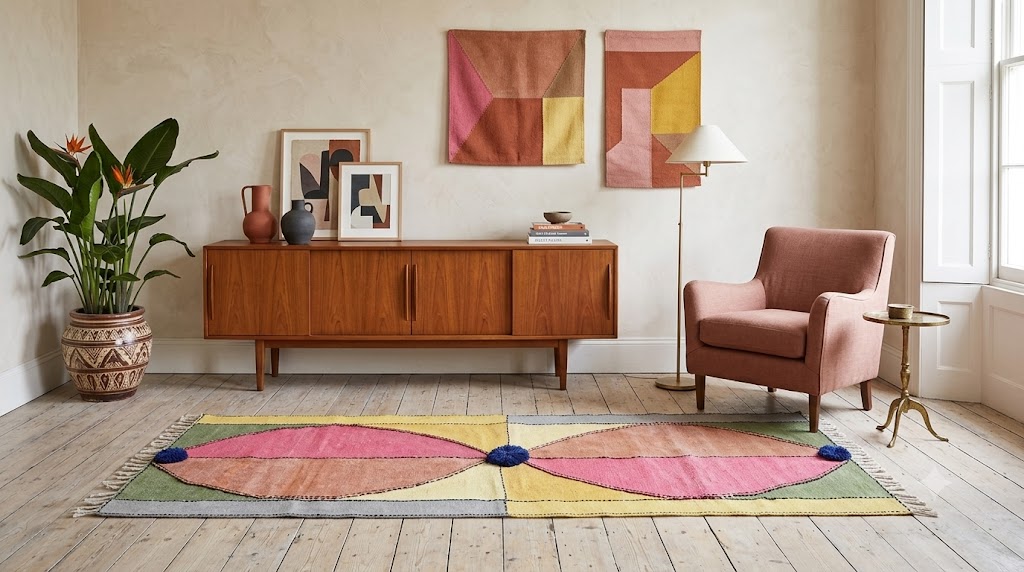
Why Source Wholesale Rugs From India?
India is one of the world's established rug-producing regions, with manufacturing traditions ranging from hand knotting and hand tufting to weaving, printing, and natural-fiber braiding.
For buyers, one of the biggest advantages is choice. A single sourcing program can potentially include Hand Tufted Rugs, Hand Knotted Rugs, cotton dhurries, jute designs, and more decorative constructions such as Fancy Weave.
Different techniques also create very different products. A hand-knotted rug, for example, isn't simply a more expensive version of a woven rug; its construction, appearance, durability, production time, and maintenance can all differ.
Understanding Indian Rug-Making Techniques
Before requesting prices, decide what construction actually suits your project.
- Hand Tufted Rugs: Usually produced by inserting yarn into a foundation using a tufting process. They're suitable for detailed designs and can generally be produced faster than hand-knotted rugs.
- Hand Knotted Rugs: Each knot is individually tied, making this a labor-intensive construction associated with highly detailed and durable rugs.
- Hand Block Printed Cotton Rugs: Cotton fabric is printed using carved blocks, creating a distinctly handcrafted appearance. They're particularly useful for casual, traditional, and contemporary interiors.
- Fancy Weave: This broad category can include decorative woven structures, textured surfaces, mixed yarn effects, and unusual pattern constructions.
Here's the thing: the construction should come before the price comparison. Two rugs with identical dimensions can have completely different costs because their manufacturing processes aren't comparable.
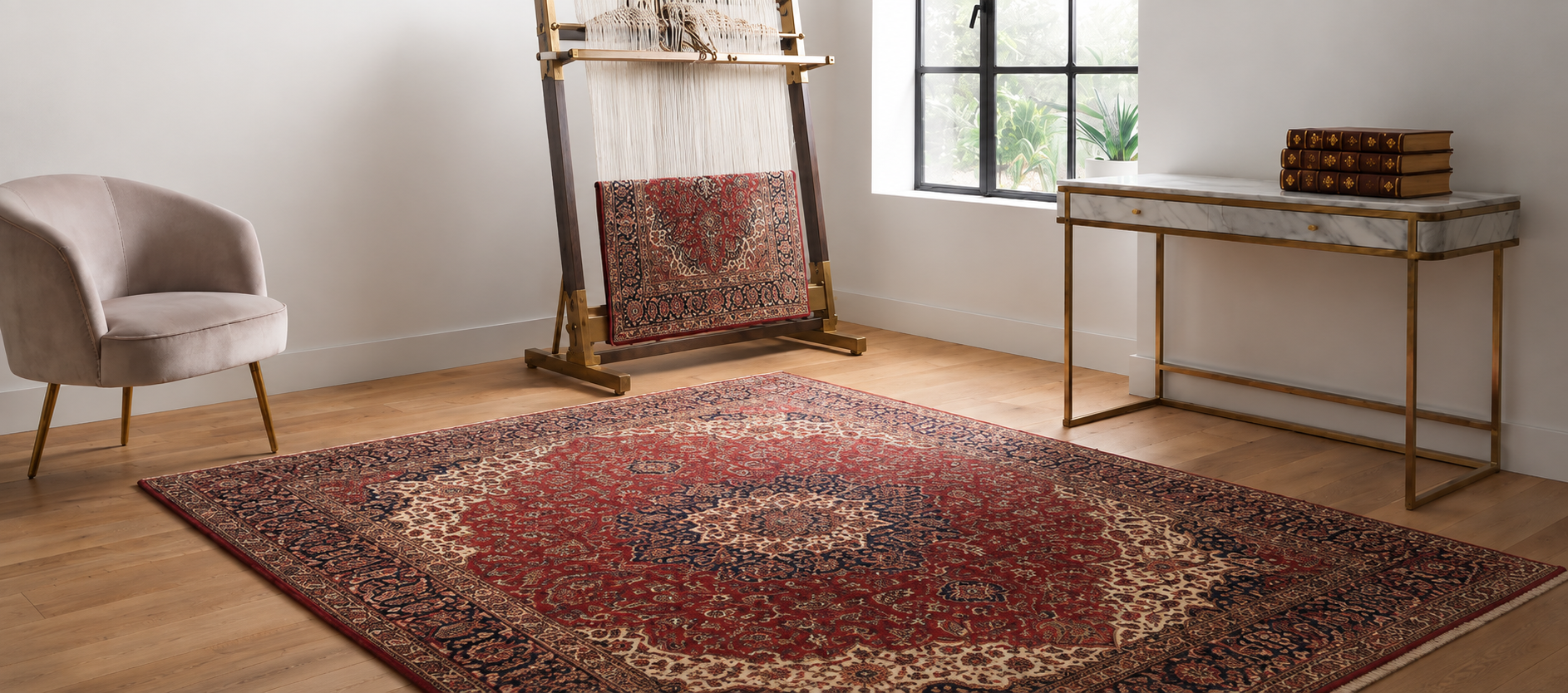
How Custom Rugs Work
Custom Rugs are usually developed around a specific requirement rather than selected from an existing collection. This could mean changing the dimensions, colors, pattern, shape, material, or finishing details.
A typical Custom Rug Manufacturing process looks something like this:
- Define the required size, shape, material, and construction.
- Share artwork, sketches, references, or technical specifications.
- Discuss Custom Colors & Patterns and available materials.
- Develop a sample or digital design approval.
- Confirm specifications and production quantities.
- Begin manufacturing after final approval.
- Conduct quality inspection before packing and shipment.
For complicated projects, don't rely solely on verbal descriptions. A drawing, CAD mockup, color reference, or physical sample can prevent misunderstandings later.
Planning Bulk Rug Orders
When placing Bulk Rug Orders, buyers should provide as much information as possible at the quotation stage.
At minimum, include:
- Rug dimensions and shape
- Material and construction
- Quantity required
- Desired colors and pattern
- Backing or finishing requirements
- Packaging specifications
- Delivery destination
- Target production schedule
A professional Rug manufacturer should be able to explain which specifications are practical and which may affect cost or lead time.
It's also wise to separate the sample approval stage from bulk production approval. A small sample might look excellent, but that doesn't automatically guarantee that a large production run will match it perfectly unless specifications are carefully documented.
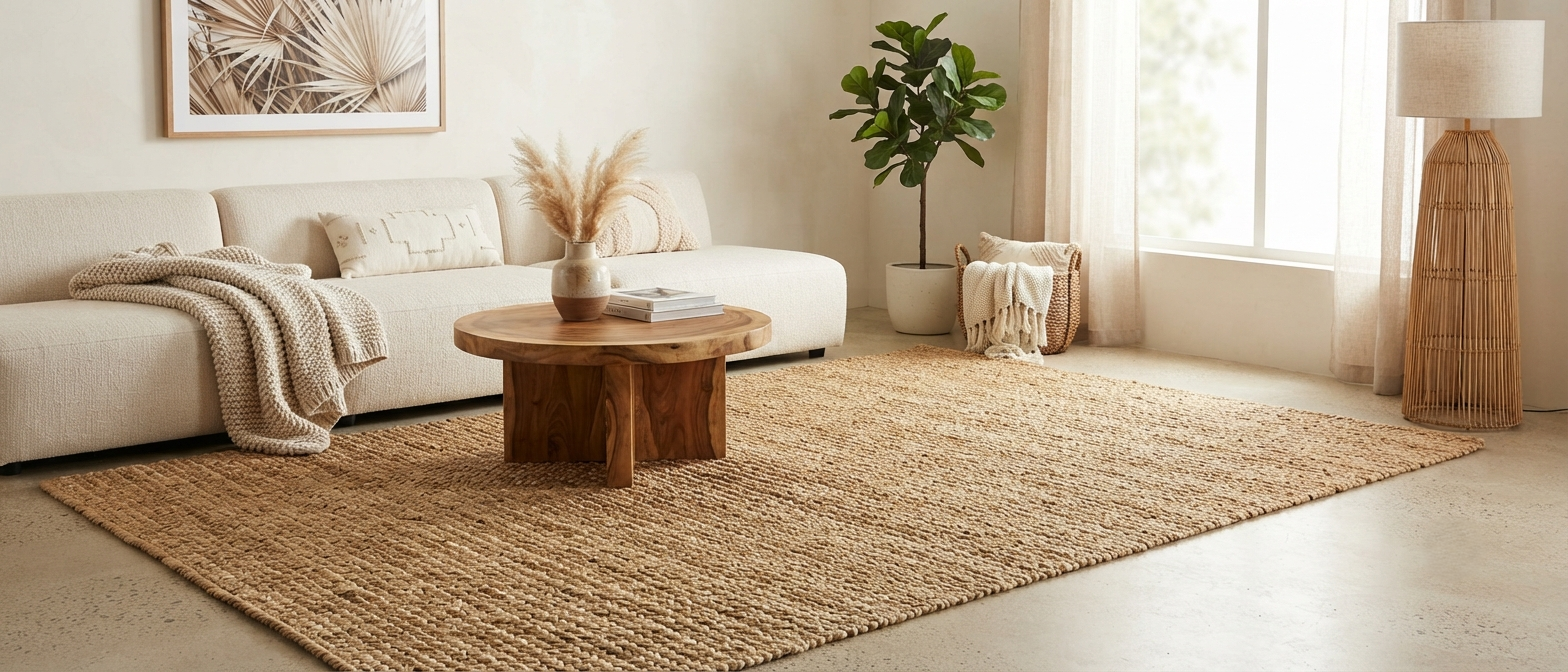
What Are the Major 2026 Rug Trends?
Current design preferences are moving toward interiors that feel tactile rather than overly polished. Natural materials, visible craftsmanship, earthy palettes, and patterns with a handmade character continue to influence rug collections.
The broader Natural-Fiber Trends are especially relevant for buyers looking for jute, cotton, wool, and other natural materials.
At the same time, the 2026 Rug Trends conversation isn't only about appearance. Buyers are increasingly considering practicality, how a rug feels underfoot, how easily it can be maintained, and whether its construction makes sense for the intended room.
Common Sourcing Mistakes to Avoid
I've found that many sourcing problems begin before production even starts. Common mistakes include:
- Comparing prices without comparing construction.
- Ordering large quantities without approving a sample.
- Providing vague color descriptions.
- Ignoring packaging requirements.
- Not confirming acceptable size tolerances.
- Assuming every handmade rug will look identical.
- Focusing only on the cheapest quotation.
Handmade products naturally have some variation. The goal isn't necessarily perfect uniformity; it's consistent quality within agreed specifications.
Final Thoughts
Sourcing Wholesale Rugs From India in 2026 is less about finding the lowest quote and more about understanding what you're buying. Once you know the construction, material, specifications, sampling process, and production requirements, comparing manufacturers becomes much easier.
Whether you're ordering Hand Tufted Rugs for a hospitality project, Hand Block Printed Cotton Rugs for retail, or developing completely Custom Rugs, take the time to document the details. A clear brief today can save weeks of confusion later.
And if you're new to Indian rug sourcing, start small, ask questions, approve samples, and learn from the first production cycle. That's often where the real expertise begins.
FAQs
1. How do I source wholesale rugs from India?
Start by identifying the rug construction, material, dimensions, quantity, and design requirements. Then compare suitable manufacturers based on samples, quality, production capabilities, pricing, lead times, and shipping terms rather than price alone.
2. What is the minimum order quantity for wholesale rugs?
There isn't one universal minimum order quantity. It depends on the rug manufacturer, construction, design complexity, materials, and whether the product is a standard design or a custom development.
3. Can I order custom rugs from India?
Yes. Custom Rugs can commonly be developed around specific dimensions, shapes, colors, patterns, materials, and finishing requirements. Complex projects usually require artwork or technical specifications and a sample approval process.
4. What is the difference between hand tufted and hand knotted rugs?
Hand tufted rugs are created by inserting yarn into a foundation using a tufting technique, while hand knotted rugs are constructed by individually tying knots. Hand knotting is generally more labor-intensive and can require substantially more production time.
5. Are Indian rugs suitable for bulk commercial orders?
They can be, provided the manufacturer has the appropriate production capacity and quality-control process. For commercial projects, buyers should confirm construction, material specifications, size tolerances, packaging, sampling, production schedules, and inspection requirements before placing a bulk rug order.