Private Label Rugs: How to Build Your Own Rug Brand
Have you ever looked at a beautifully designed rug collection and wondered what it takes to sell something similar under your own brand? You don't necessarily need to own a factory or manage every stage of production yourself. With the right planning and manufacturing partner, you can build a rug business around your own designs, materials, and customer preferences.
Private label rugs offer retailers, e-commerce entrepreneurs, interior design businesses, and home decor brands a way to develop products under their own names. But there's more to the process than choosing a pattern and adding a logo. From selecting materials to setting quality standards, every decision shapes how customers experience your brand.
What Are Private Label Rugs?
Private label rugs are products manufactured by a third party and sold under a retailer's or brand owner's name. Depending on the arrangement, you might select existing designs, customize a manufacturer's collection, or develop an entirely new product.
For example, an online home decor store might create a collection of modern rugs in carefully coordinated colors and sizes. The manufacturing partner produces the rugs, while the business handles branding, marketing, sales, and customer service.
Private labeling differs from simply reselling wholesale rugs because it gives you greater control over product presentation and, in many cases, design and specifications.
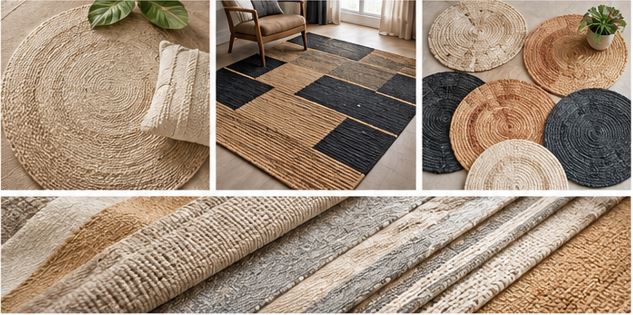
How to Choose the Right Private Label Rug Manufacturer
Your manufacturing partner can influence product quality, delivery schedules, pricing, and your ability to grow. It's worth evaluating potential suppliers carefully rather than choosing solely on the lowest quoted price.
Look for a private label rug manufacturer that can explain its production capabilities, materials, quality-control procedures, and customization options.
Before committing, ask questions such as:
- What rug materials and manufacturing techniques are available?
- Can the manufacturer produce custom sizes, colors, patterns, and finishes?
- Is sampling available before bulk production?
- What are the minimum order quantities and production lead times?
- Can the supplier maintain consistent quality across repeat orders?
- What packaging, labeling, and export documentation can be provided?
Requesting samples is particularly important. Product photographs rarely reveal everything about texture, thickness, color accuracy, or finishing quality.
Custom Rug Manufacturing: Turn Your Ideas Into Products
Custom rug manufacturing allows businesses to create collections that reflect a specific design direction rather than relying entirely on standard products.
You might develop a coordinated collection featuring neutral cotton rugs, colorful geometric patterns, or textured designs for contemporary interiors. Before production begins, prepare a clear product specification covering dimensions, materials, colors, construction, backing, and finishing.
A practical development process usually follows these steps:
- Research your market: Identify your target customer, preferred price range, and the styles competitors offer.
- Develop product concepts: Create sketches, reference images, color palettes, and size options.
- Select materials: Compare cotton, wool, jute, and synthetic fibers based on appearance, performance, and cost.
- Approve samples: Check dimensions, texture, colors, construction, and finishing.
- Confirm production details: Agree on quantities, pricing, timelines, packaging, and inspection standards.
- Review the finished goods: Inspect the order against the approved sample before shipment.
Clear specifications help prevent misunderstandings, especially when products are manufactured overseas.
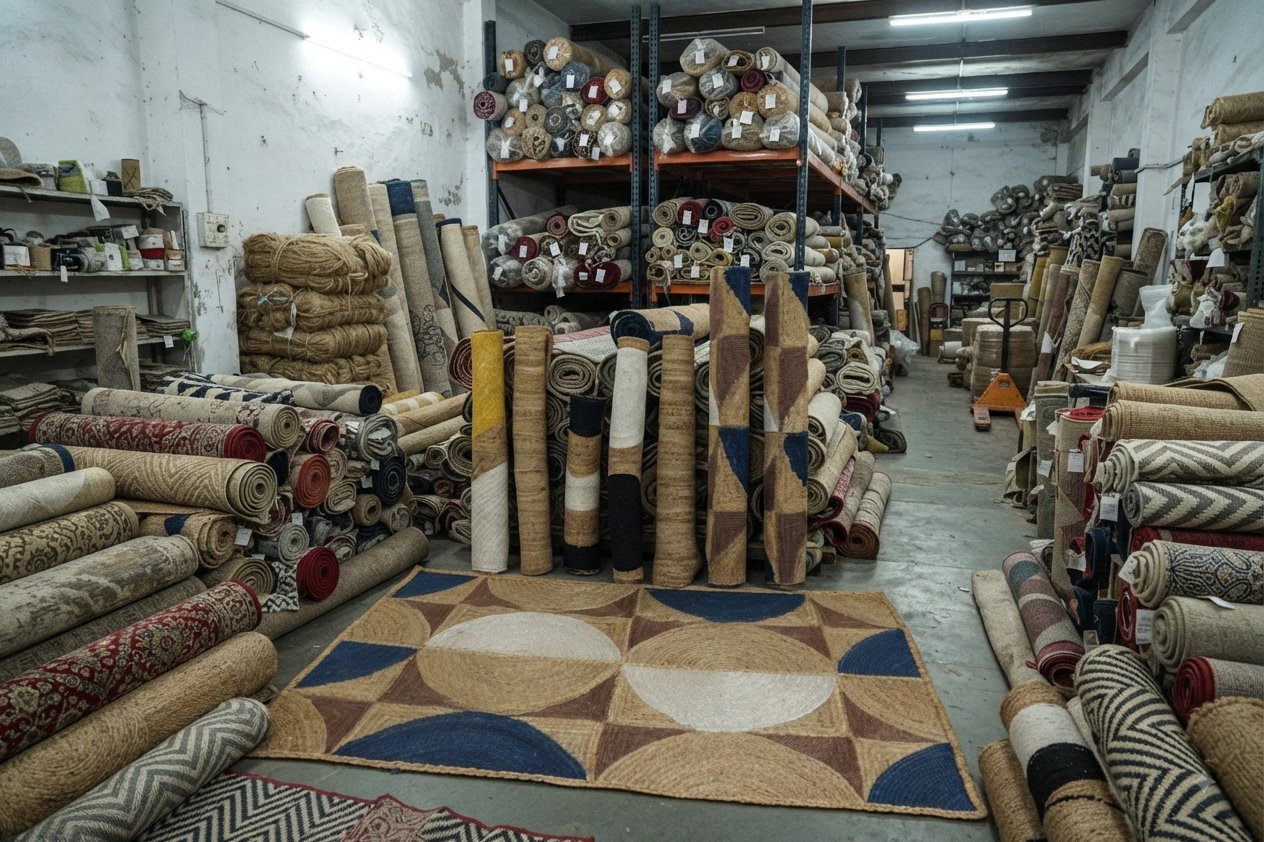
Which Rug Types Should Your Brand Offer?
A successful collection doesn't need dozens of unrelated designs. It's often more useful to begin with a focused range that suits a clearly defined audience.
Consider these options:
- Cotton woven rugs: Often lightweight and versatile, making them suitable for casual interiors and colorful collections.
- Natural fiber rugs: Jute and other plant-based fibers appeal to customers who appreciate organic textures.
- Tufted rugs: These can offer a plush feel and substantial design flexibility, depending on their construction.
- Knotted rugs: Often associated with detailed craftsmanship, they can require more labor and longer production times.
- Modern rugs: Geometric patterns, restrained palettes, and abstract designs can complement contemporary spaces.
- Runner rugs: These are useful for hallways, kitchens, and narrow spaces, offering another size category within a collection.
Study established retail ranges, including Pottery Barn rugs and washable systems such as Ruggable rugs, to understand how different brands present materials, styles, care instructions, and product benefits. Use this research to identify opportunities rather than copying existing designs.
Understand Minimum Orders, Pricing, and Profit Margins
One of the biggest challenges in rug brand development is balancing variety with inventory risk. Manufacturers may set minimum order quantities for each design, size, or color, particularly when custom materials or production processes are involved.
Calculate the complete cost of each product, not just its manufacturing price. Include packaging, freight, duties where applicable, warehousing, payment processing, marketing, and expected returns.
For instance, a rug that costs $30 to manufacture may have a landed cost of $42 after shipping and import expenses. If you sell it for $70, the difference is $28 before other selling expenses. That isn't necessarily your final profit.
Ask for a detailed quotation and model different selling prices before placing a large order.
Common Mistakes to Avoid When Building a Rug Brand
New businesses sometimes order too many designs before understanding what customers actually want. Others overlook color consistency, underestimate shipping times, or assume that every rug can be cleaned in the same way.
A few sensible precautions can make a significant difference:
- Start with a manageable collection and test demand.
- Approve physical samples before authorizing bulk production.
- Document product specifications and inspection criteria.
- Provide accurate material descriptions and cleaning instructions.
- Check trademark, design ownership, labeling, and import requirements for your target markets.
- Keep realistic timelines for sampling, manufacturing, shipping, and replenishment.
Remember, a product that looks attractive but doesn't meet customer expectations can damage a new brand's reputation quickly.
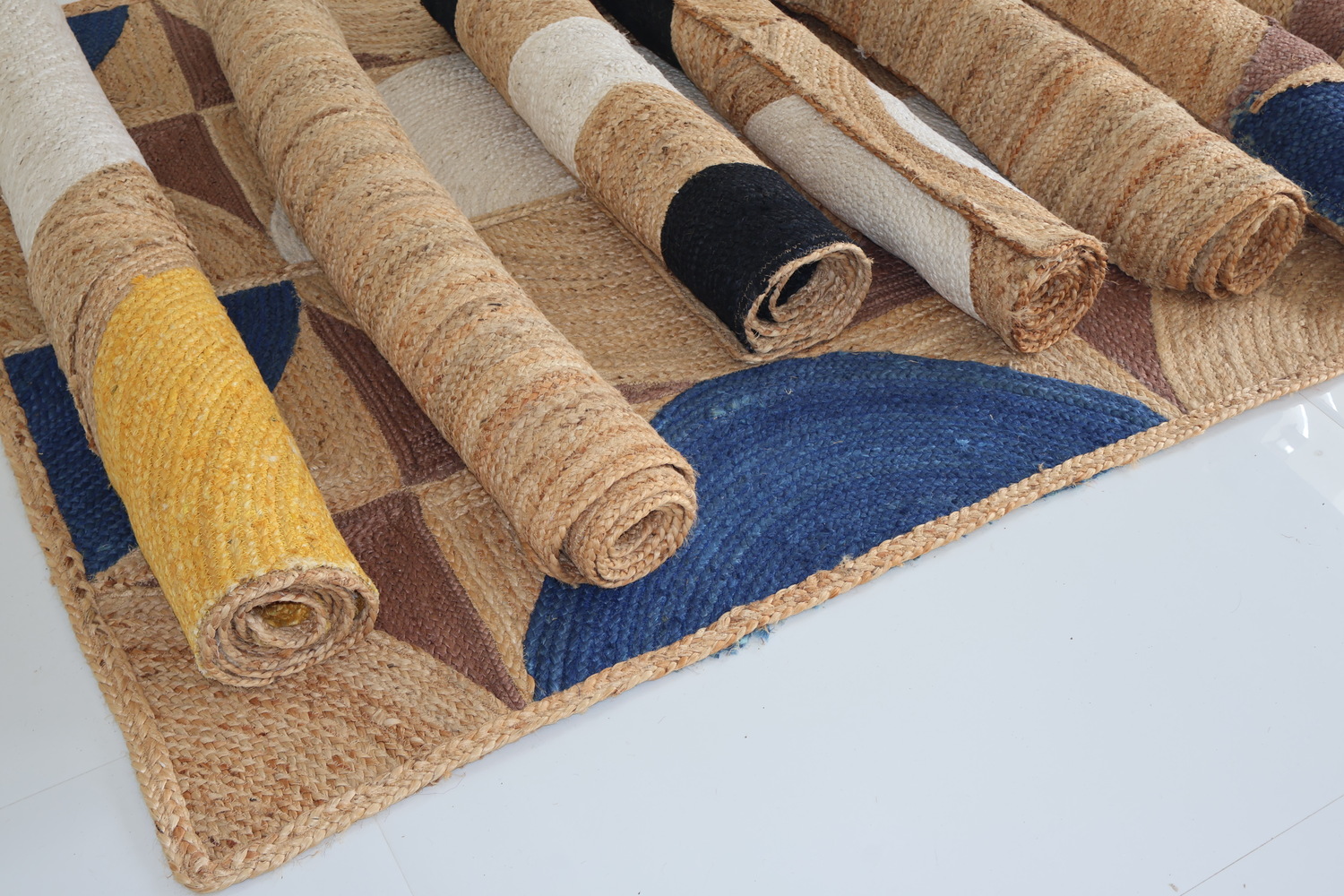
Building a Rug Brand That Lasts
Private label rugs give businesses an opportunity to combine thoughtful product selection with a distinctive brand identity. The strongest collections usually begin with a clear understanding of the customer, dependable manufacturing, and consistent quality, not simply a large number of designs.
Start by researching your market, choosing a manageable product range, and finding a manufacturing partner whose capabilities match your plans. Test your ideas with samples, calculate your costs carefully, and improve the collection as you learn what customers value.
Building a recognizable rug brand takes time, but a considered approach can help you turn an initial product idea into a business with room to grow.
FAQs
1. What are private label rugs?
Private label rugs are rugs manufactured by a third-party supplier and sold under your own brand name. Businesses can choose existing designs or customize materials, colors, sizes, patterns, and labels to create a distinctive product collection.
2. How do I find a reliable private label rug manufacturer?
Look for a manufacturer with suitable production capabilities, consistent quality standards, customization options, and clear communication. Request product samples, compare quotations, confirm minimum order quantities, and discuss production timelines before placing a bulk order.
3. What is the minimum order quantity for private label rugs?
The minimum order quantity (MOQ) depends on the manufacturer, rug material, design complexity, size, and customization requirements. Standard designs may have different minimums from fully customized products. Always confirm the MOQ for each design and size before finalizing your order.
4. How much does it cost to start a private label rug brand?
The cost depends on your initial order quantity, materials, product designs, sampling, packaging, shipping, marketing, and storage. Starting with a small, focused collection can help manage inventory risk while you test customer demand and understand your actual profit margins.
5. Can I customize rug designs, sizes, materials, and packaging for my brand?
Yes, many private label rug manufacturers offer customization options, including colors, patterns, dimensions, materials, backing, finishing, and branded labels or packaging. Available options vary by supplier and production method, so confirm the specifications and approve a sample before beginning bulk manufacturing.